”できなくなったことを、再びできるように”そんな思いを込めて私たちは最先端医療である再生医療に特化した治療を行なっています。従来の保険治療ではどうしても治すことに限界があり、「できるだけ手術は避けたい」「早くスポーツや仕事に復帰したい」「今までの治療では良くならない」という方たちの声にできるだけ寄り添えられるように、最先端の再生医療で多くの方を治療してきました。
当院の再生医療ではご自身の細胞を使用するため、ほとんど副作用もなく安全にかつ簡単に治療が行えます。また再⽣医療でとても大切なことは、細胞の培養技術です。当院の提携している細胞加工室は国内でもトップクラスの培養技術を有することで、とても高い治療効果が実証されております。今後もたくさんの方にこの新しい治療を知っていただき、今までできなかったことを可能にするこの再生医療を提供していきたいと思います。
幹細胞を用いる再生治療は、厚生労働省が認めた特定認定再生医療等委員会において、治療の妥当性・安全性・細胞加工管理体制などの厳しい審査が行われ、適切と認められる事ではじめて治療を行うことが可能となります。
最新治療である再生治療について、専門医がわかり易く解説します
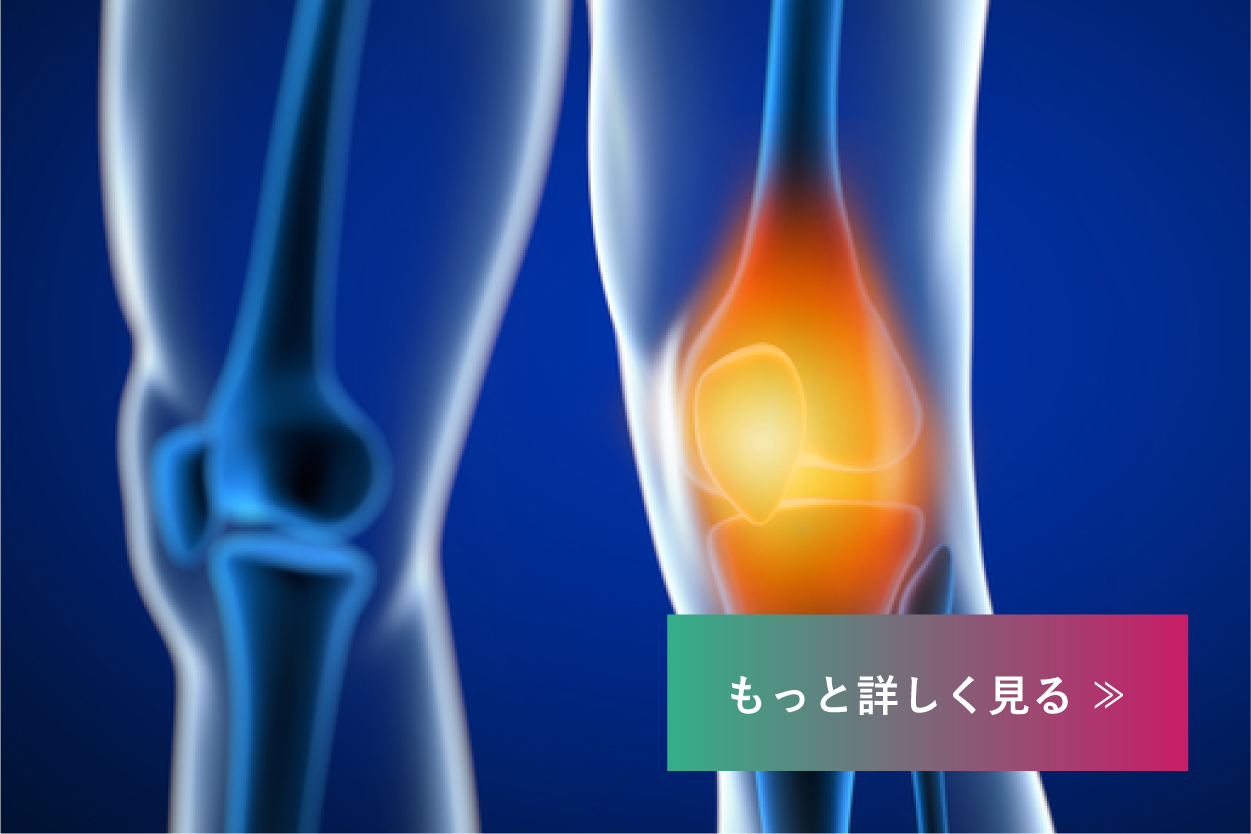
日本には3000万人以上の患者さんがいると推定され、その原因や症状、治療法、予防方法に付いて整形外科専門医がわかり易く解説します
股関節の付け根の痛みや股関節の動きに制限が生じる変形性股関節症について、整形外科専門医がわかり易く解説します
膝への衝撃をクッションの役割をする半月板の損傷について、最新治療を含めて整形外科専門医がわかり易く解説します
肩腱板損傷・断裂お原因や症状、治療法、予防方法について整形外科専門医がわかり易く解説します
整形外科のその他の疾患について、専門医がわかり易く解説します
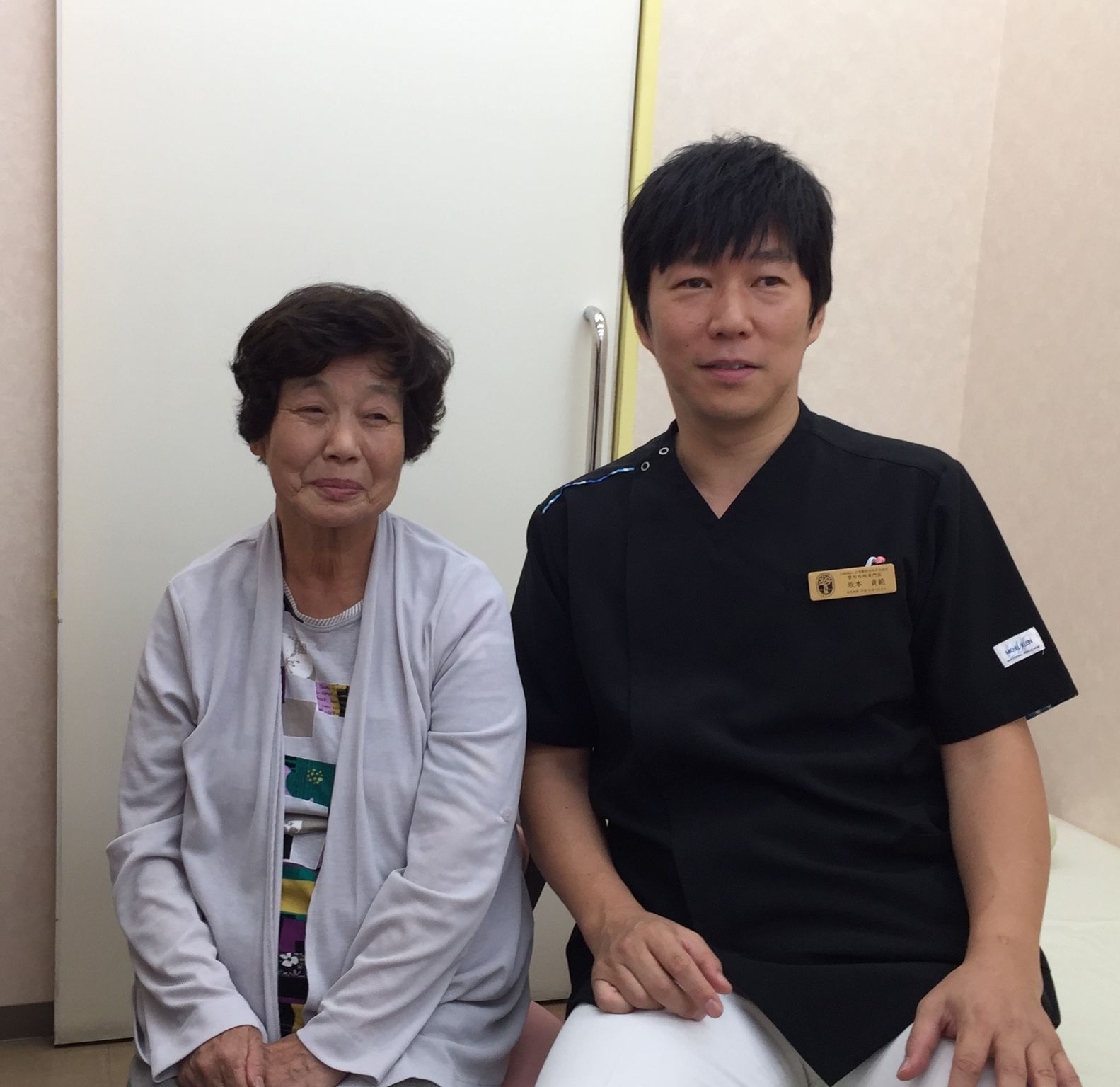
70代女性 変形性膝関節症の幹細胞治療
変形性膝関節症の方で長い間ヒアルロン酸の注射をしていましたが、徐々に痛みが増加しいよいよヒアルロン酸の注射も効かなくなり、今回、幹細胞の治療を受けることになりました。幹細胞の投与は両膝に1億個の細胞を投与しました。3ヶ月目から効果が現れ徐々に痛みがましになり、元の痛みの半分以下になったと喜ばれました。
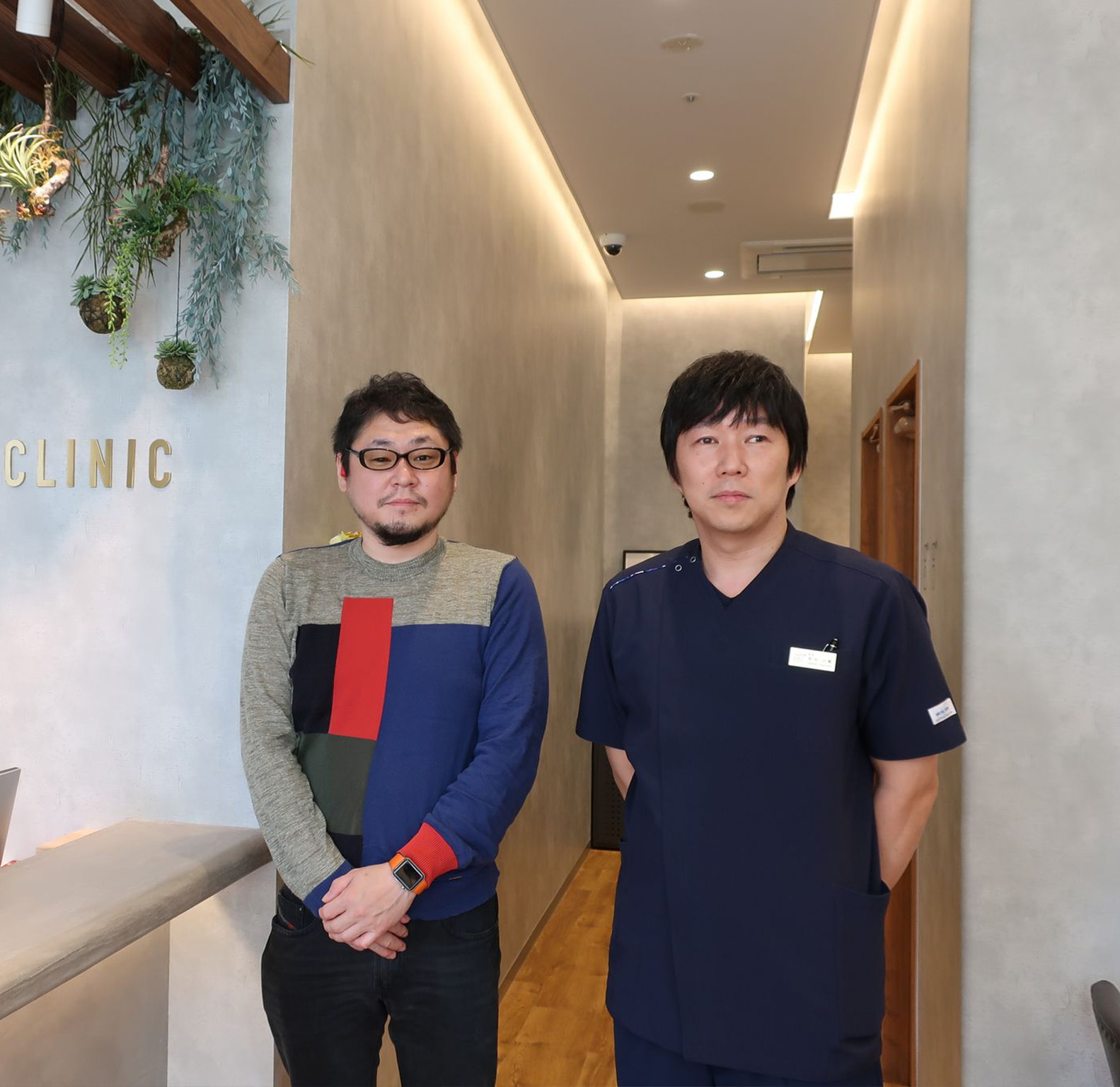
40代男性 糖尿病の幹細胞治療
失明の原因第3位である糖尿病性網膜症。恐ろしいのは自覚症状がなく進行することです。ある日突然、「目の中に煙のすすがたまったようだ」、「真っ赤なカーテンがかすんで見える」などの症状で眼科を訪ねるころには病気はかなり進んでいて、失明も覚悟しなくてはならないことが少なくありません。
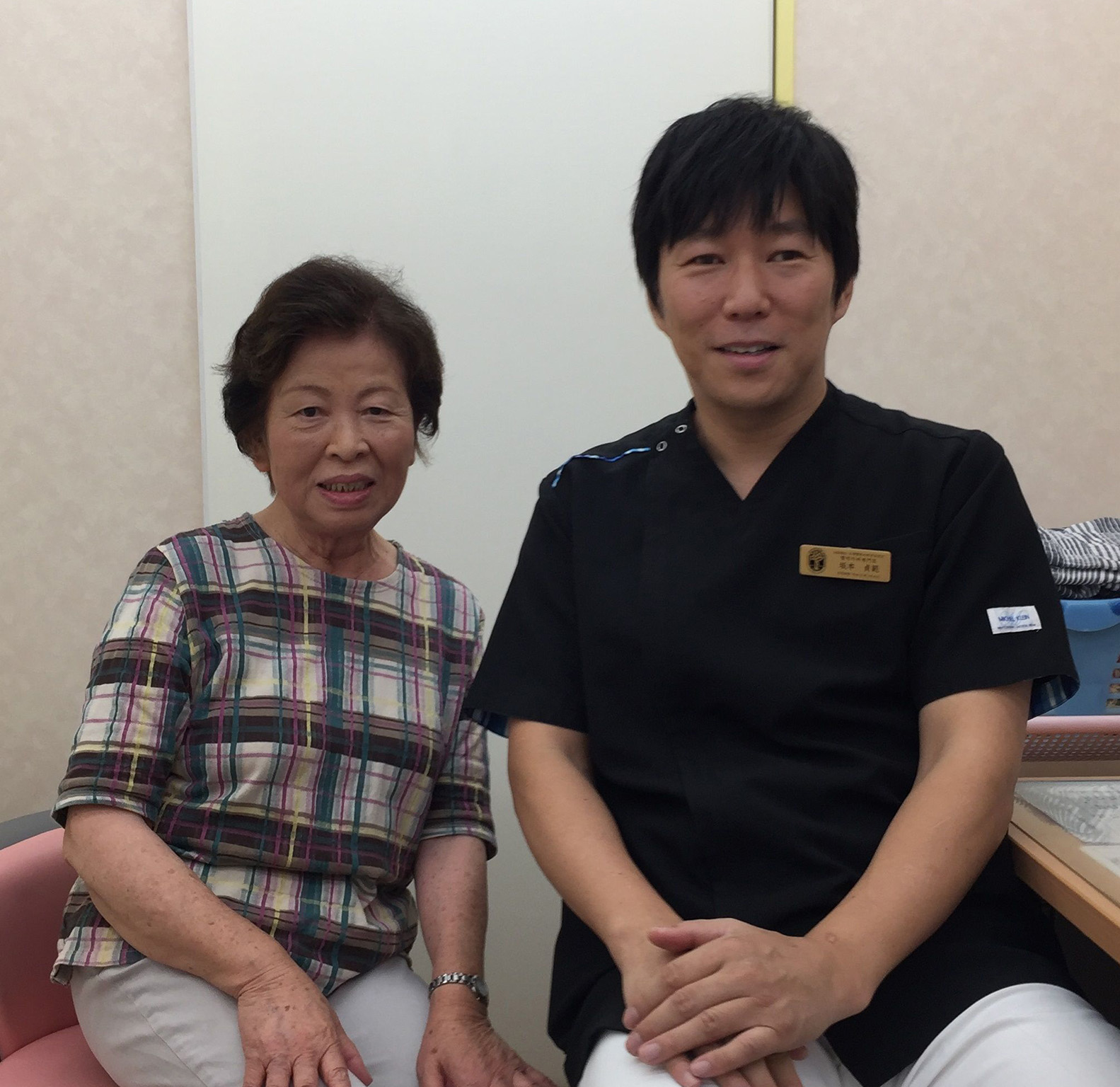
70代女性 肩腱板損傷の再生医療
数年前から左肩が痛くて思うように挙がらず当院に来院する。初めは、ヒアルロン酸とリハビリ加療にて少しはマシになっていましたが、やはり肩の痛みで腕が思うように挙がらず。これでは日常生活も困難ということでPRPを4回行う。
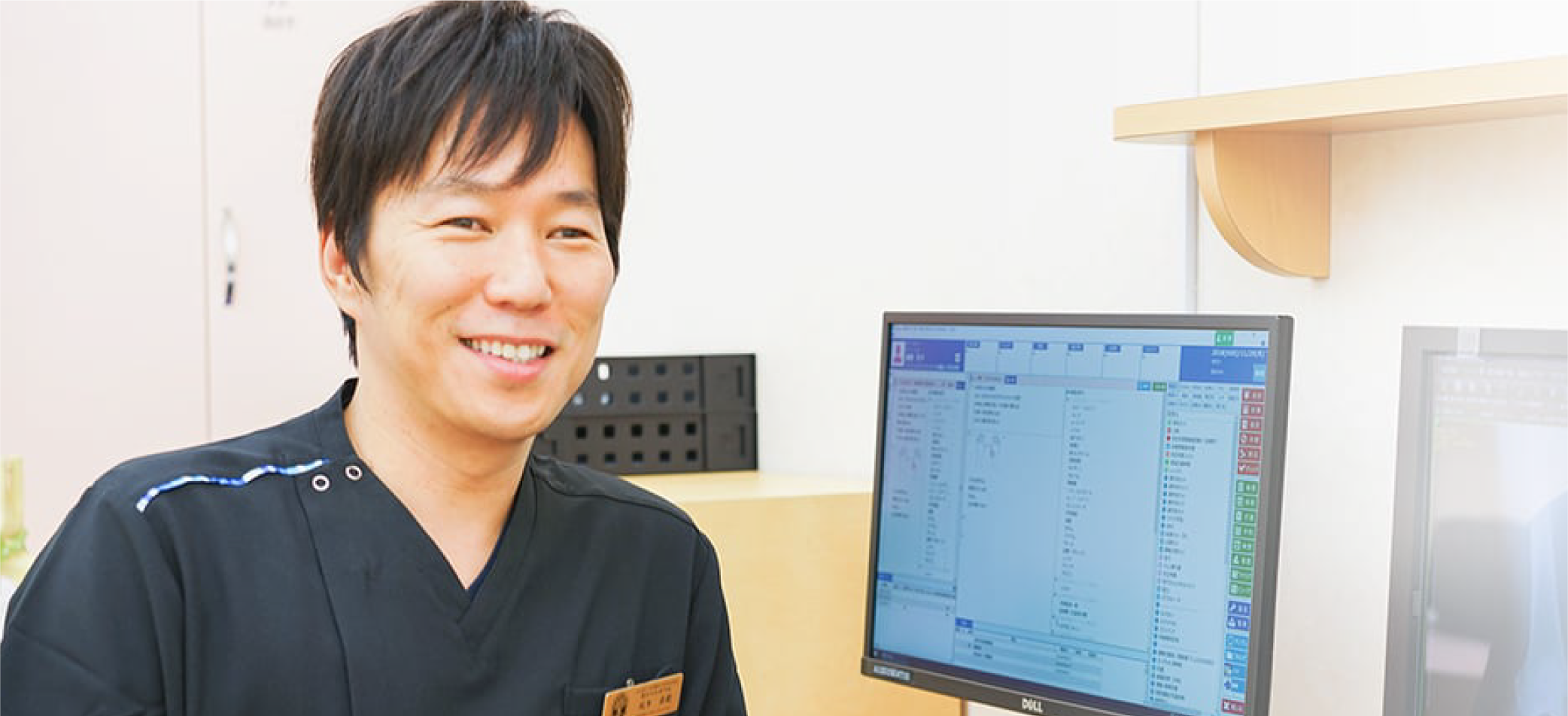
医学部卒業後、様々医療機関で外来から手術まで多くの症例に取り組んできました。
糖尿病、高血圧などの生活習慣病、ひざ、股関節、肩、スポーツ整形や脳卒中、脊髄損傷のリハビリテーションまで幅広く治療に取り組んできました。整形外科分野においては、ひざと股関節の人工関節専門病院で1000例以上の手術を手掛けてきました。そんな中で、再生医療に出会い現在まで多くの患者様に提供してまいりました。この再生医療に携わってきて、従来の治療法では治せなかったものがよくなるという常識を覆すような結果にいつも驚かされています。できるだけ手術をしない治療法、できるだけ早く社会復帰やスポーツの復帰ができる治療法としては今現在の時点では最高の治療法だと思われます。今後も多くの方に再生医療を広めて、より多くの人に喜んでいただけるよう努力してまいりたいと思います。
| 略歴 | 所属学会 |
| 1997年3月 関西医科大学 医学部卒 | fa-check日本再生医療学会 |
| 1997年4月 医師免許取得 | fa-check日本内科学会 |
| 1997年4月 大阪市立大学医学部付属病院 勤務 | fa-check日本糖尿病協会 |
| 1998年5月 大阪社会医療センター附属病院 勤務 | fa-check日本免疫学会 |
| 1998年5月 大阪府立中河内救命救急センター 勤務 | fa-check国際抗老化再生医療学会 |
| 1999年2月 国立大阪南病院 勤務 | fa-check日本脳神経外科学会 |
| 2000年3月 野上病院 勤務 | fa-check日本脊髄外科学会 |
| 2003年3月 大野記念病院 勤務 | fa-check日本整形外科学会 整形外科専門医 |
| 2005年5月 さかもとクリニック 開設 | fa-check日本整形外科学会 リウマチ医 |
| 2006年12月 医療法人美喜有会設立 理事長就任 | fa-check日本整形外科学会 スポーツ医 |
当院で再生医療をサポートする専門医
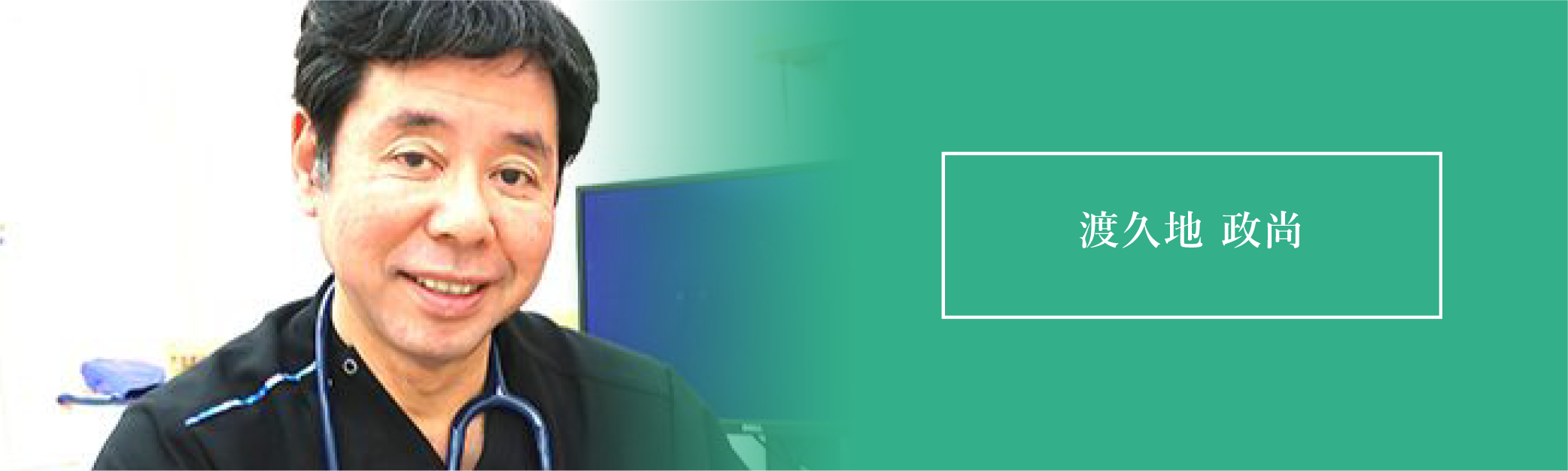
| 略歴 | 所属学会 |
| 1991年3月 琉球大学 医学部 卒業 | fa-check日本再生医療学会 |
| 1991年4月 医師免許取得 | fa-check日本内科学会 |
| 1992年 沖縄協同病院 研修医 | fa-check日本糖尿病協会 |
| 1994年 沖縄協同病院 外科 勤務 | fa-check日本プライマリ連合学会 |
| 2000年 癌研究会附属病院 消化器外科 勤務 | |
| 2008年 沖縄協同病院 内科 勤務 | |
| 2012年 老健施設 かりゆしの里 勤務 | |
| 2013年6月 ふたこクリニック 院長 | |
| 2017年8月 訪問診療部 医局長 |
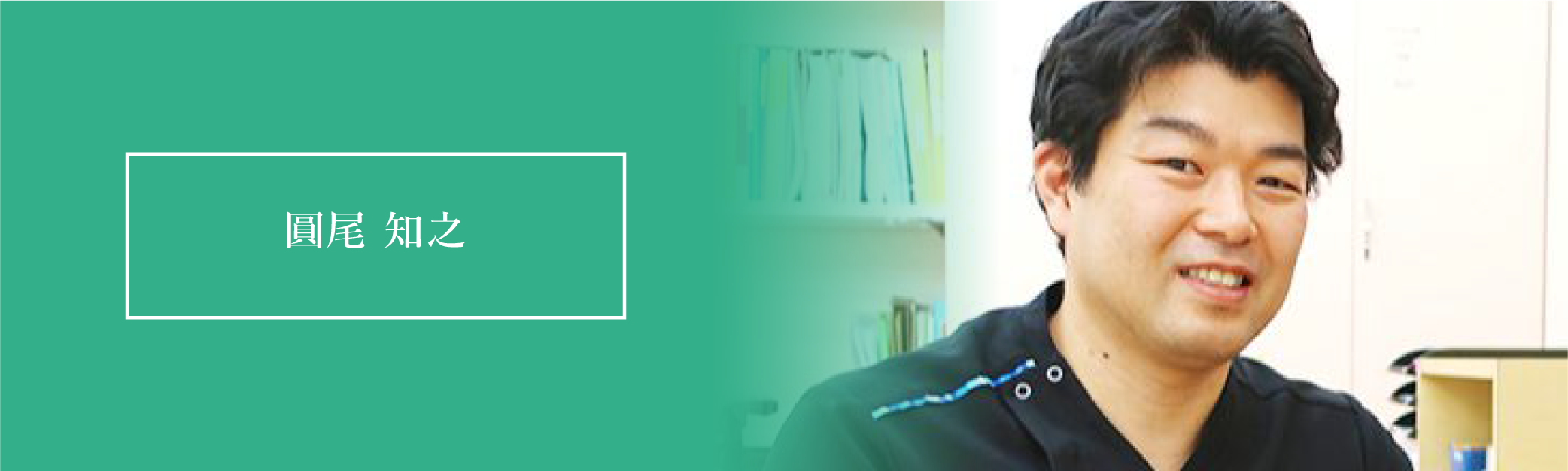
| 略歴 | 所属学会 |
| 2002年3月 京都府立医科大学 医学部 医学科 卒業 | fa-check日本脳神経外科学会 |
| 2002年4月 医師免許取得 | fa-check日本脳神経血管内治療学会 |
| 2002年4月 大阪大学医学部附属病院 脳神経外科 勤務 | fa-check日本脳卒中学会 |
| 2002年6月 関西労災病院 脳神経外科 勤務 | fa-check日本定位機能神経外科学会 |
| 2003年6月 大阪大学医学部附属病院 脳神経外科 勤務 | fa-check日本神経内視鏡学会 |
| 2003年12月 大阪母子医療センター 脳神経外科 勤務 | fa-check日本脳卒中の外科学会 |
| 2004年6月 大阪労災病院 脳神経外科 勤務 | fa-check日本てんかん学会 |
| 2005年11月 大手前病院 脳神経外科 勤務 | fa-check日本てんかん外科学会 |
| 2007年12月 大阪大学医学部附属病院 脳神経外科 勤務 | fa-check日本小児神経外科学会 |
| 2012年3月 大阪大学大学院 医学系研究科 修了(医学博士) | |
| 2012年4月 大阪大学医学部 脳神経外科 特任助教 | |
| 2014年4月 大手前病院 脳神経外科 部長 |
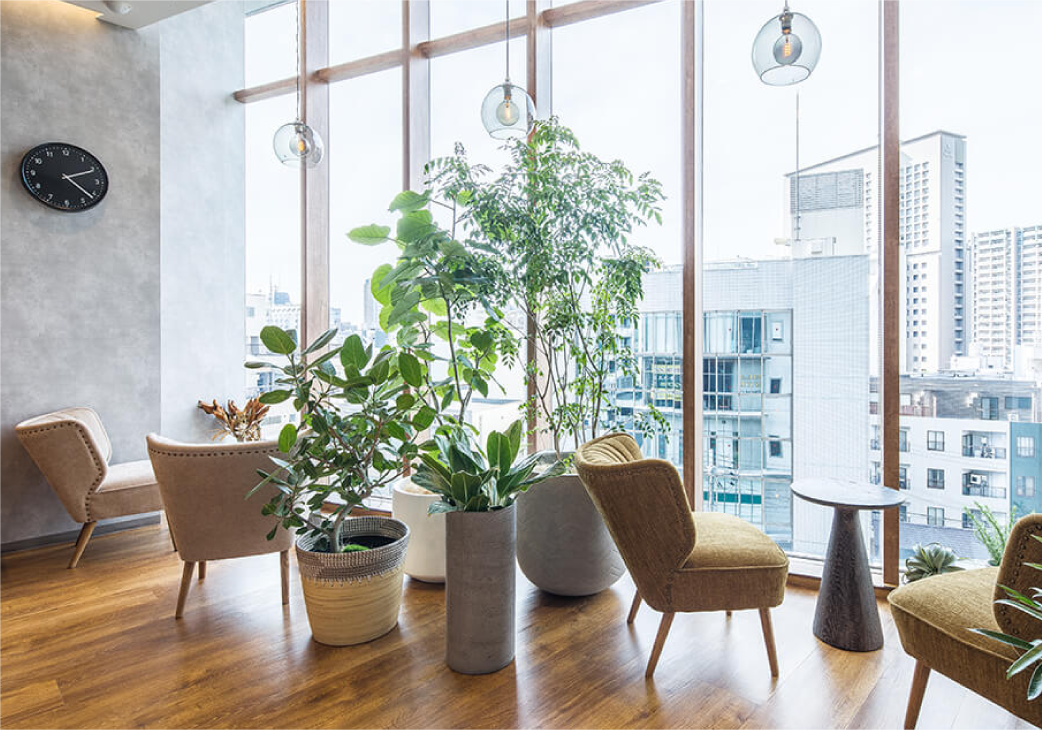
診療時間 10:00~13:00/14:00~19:00(完全予約制)
休診日 不定休
〒553‐0003 大阪市福島区福島1-1-51 堂島クロスウォーク4F
診療時間 10:00~13:00/14:00~19:00(完全予約制)
休診日 不定休
〒105-0022 東京都港区海岸1丁目16番1号
ニューピア竹芝サウスタワー PIER MALL 3F